



Complete Piping and Repiping Services in East Los Angeles, CA
Upgrade Your Plumbing with Long-Lasting Solutions
Every property’s plumbing system eventually reaches the end of its reliable service life. Pipes that served homes and businesses faithfully for decades develop corrosion, accumulate mineral deposits, develop leaks, and eventually fail completely. When East Los Angeles property owners face the decision to replace aging plumbing systems, they’re making significant investments that will serve them for the next 50+ years. Understanding when replacement is necessary, which materials suit specific situations, and what the installation process entails helps property owners make informed decisions about this critical infrastructure upgrade.
Rooter & Plumbing Masters provides complete piping and repiping services throughout East LA, replacing outdated systems with modern materials that deliver decades of reliable performance. Our licensed technicians bring nearly 20 years of experience working with East LA’s diverse properties—from vintage homes requiring complete galvanized pipe replacement to commercial buildings needing partial system upgrades.
Interested in an estimate?
Whether you are looking for someone to help you upgrade your water heater, repair your pipes, or unclog your drains, we have everything you need to get the job done. Give our East Los Angeles plumbers a call at (888) 855-6680 today to get started. Se habla español.

When Complete Repiping Becomes Necessary
Property owners typically consider repiping when their plumbing systems show specific conditions indicating comprehensive replacement provides better value than ongoing repairs:
Multiple Recurring Leaks
When properties experience frequent leaks in different locations, underlying system-wide problems exist. Repairing individual leaks addresses symptoms rather than causes, with additional failures likely continuing. Multiple leaks within short timeframes strongly indicate comprehensive replacement is warranted.
Severely Corroded Galvanized Pipes
Galvanized steel pipes standard in properties built before the 1970s corrode from the inside, narrowing water passage and eventually failing. Advanced corrosion creates rust-colored water, severely restricted flow, frequent leaks, and potential health concerns from pipe material contamination. Galvanized pipes showing significant corrosion require complete replacement—attempting repairs in corroded systems proves futile.
Discolored or Contaminated Water
Water discoloration from rust particles, odd tastes or odors from pipe corrosion, and visible sediment in fixtures all indicate pipe interior problems requiring replacement. Once pipes degrade to the point of water contamination, comprehensive replacement becomes necessary.
Inadequate Water Pressure
When water pressure drops throughout properties despite normal municipal supply pressure, pipe interior restriction from corrosion or mineral buildup is responsible. While individual fixtures can cause localized pressure issues, system-wide pressure drops indicate comprehensive pipe problems requiring replacement.
Preparing Properties for Sale or Major Renovation
Homes planned for sale benefit from new plumbing systems that reassure buyers, pass inspection requirements, and support full asking prices. Properties undergoing major renovations should include plumbing system replacement in project scope, since access behind walls and under floors already exists during other work.
Outdated Pipe Materials
Properties with polybutylene pipes (installed 1978-1995, prone to failure), lead pipes (health hazard), or galvanized pipes over 50 years old all warrant replacement regardless of current leak status. These materials face increasing failure risk and potential health concerns.

Complete Repiping Process
Professional repiping follows systematic processes ensuring quality results with minimal property disruption:
Initial System Assessment
We begin by thoroughly evaluating existing systems through visual inspection of accessible pipes, water quality testing, pressure testing, and camera inspection when appropriate. This assessment identifies extent of replacement needed, optimal material choices, and project scope.
Project Planning and Design
Complete repiping requires careful planning including determining pipe routing and sizes, identifying access points minimizing wall and ceiling damage, planning work sequencing to minimize water shutoff duration, and ensuring code-compliant design. We create detailed project plans before beginning work.
Property Protection
Before starting demolition, we protect flooring and furnishings, establish dust containment, set up work zones, and coordinate with property occupants regarding schedules and access.
Old Pipe Removal
Existing pipes are carefully removed, creating necessary access points, supporting structures during pipe removal, and properly disposing of old materials. We minimize unnecessary damage during demolition.
New System Installation
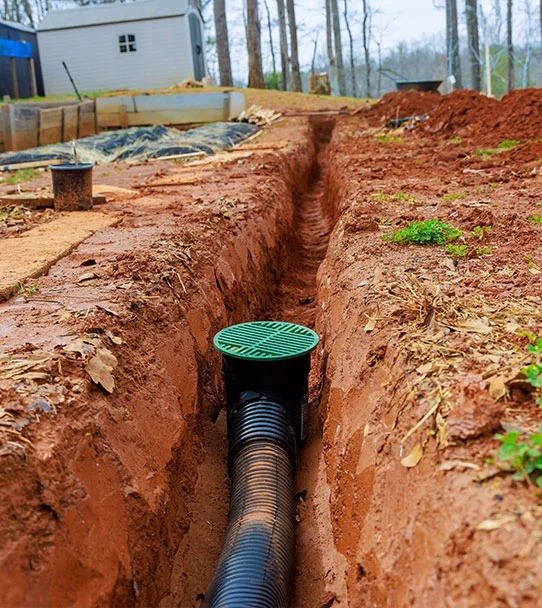
New pipes are installed following code requirements with properly sized pipes for adequate flow, secure mounting and support throughout runs, quality connections at all joints, and appropriate slope for drain lines. Installation quality determines system longevity.
Pressure Testing
Before closing walls, we pressure test new systems verifying all connections are leak-free, confirming proper flow rates throughout the property, and testing under conditions exceeding normal operating pressure.
Restoration and Cleanup
After successful testing, we patch walls and ceilings, match textures when possible, remove all debris, and restore properties to clean, functional conditions.
Final Inspection and Documentation
Projects conclude with final walkthrough, explanation of new system, provision of warranty documentation, and coordination of required municipal inspections.
Understanding Different Pipe Materials
Material selection significantly affects system performance, longevity, and cost:
Copper Pipe
Copper has served as premium plumbing material for decades, providing rigid, durable piping with 50+ year life expectancy when properly installed. Copper resists corrosion under most water conditions, handles high temperatures from hot water applications, maintains structural integrity under pressure, and provides long-term reliability despite higher material costs. However, copper requires skilled soldering for proper installation, costs more than plastic alternatives, and can develop pinhole leaks in aggressive water chemistry conditions. Copper remains an excellent choice for main supply lines, exposed piping requiring rigid support, and applications where appearance matters.
PEX (Cross-Linked Polyethylene)
PEX tubing has become increasingly popular for residential repiping, offering flexible installation with fewer fittings required, freeze resistance without bursting, easier installation in tight spaces and through existing walls, and lower material and labor costs than copper. PEX requires fewer connection points than rigid pipe, reducing potential leak locations. However, PEX cannot be used outdoors with sun exposure, requires specialized tools and fittings for proper installation, and is less suitable for exposed applications where appearance matters. PEX works excellently for residential repiping projects where plumbing runs through walls and under floors.
CPVC (Chlorinated Polyvinyl Chloride)
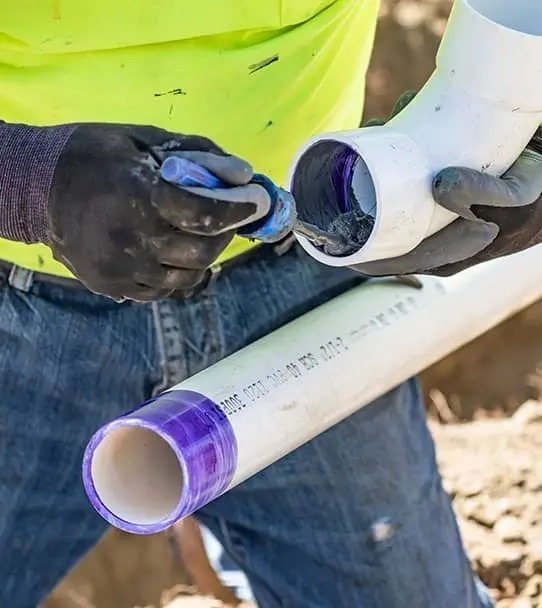
CPVC rigid plastic pipe offers an alternative to copper or PEX with corrosion resistance, lower cost than copper, and relatively simple installation using solvent cement connections. However, CPVC becomes brittle with age, can crack from stress or impact, and doesn’t handle temperature extremes as well as other materials. CPVC sees decreasing use as PEX becomes more popular.
Material Selection Considerations
Choosing appropriate materials depends on budget constraints, local water chemistry, installation location (exposed vs. concealed), temperature requirements, and local code requirements. We evaluate these factors to recommend optimal materials for each specific situation.
Commercial Repiping Services
Commercial properties face unique repiping challenges requiring specialized approaches:
Minimizing Business Disruption
Commercial repiping must accommodate ongoing business operations. We schedule work during off-hours, work in phases maintaining partial functionality, and communicate clearly with management regarding schedules and impact.
High-Capacity Systems
Commercial plumbing handles far greater flow rates than residential systems, requiring larger pipes, more complex distribution networks, and robust materials. We design commercial repiping for appropriate capacity.
Code Compliance
Commercial properties must meet specific commercial plumbing codes different from residential requirements. All commercial repiping maintains full code compliance.
Multi-Story Considerations
Multi-story buildings present access challenges and require careful planning for vertical pipe runs, pressure regulation at different levels, and tenant coordination.
Partial Repiping Options
Not all properties require complete system replacement—some situations suit partial repiping:
Main Line Replacement
Replacing only main supply lines from water meters to properties, leaving branch lines intact, addresses certain system issues at lower cost than complete replacement. This approach suits situations where main lines show problems but branch lines remain sound.
Hot Water System Repiping
Some properties face problems primarily in hot water lines where heat accelerates corrosion. Replacing only hot water piping from water heaters through fixtures addresses these specific issues.
Section Replacement
When problems concentrate in specific property areas—for example, bathroom additions or kitchen renovations—replacing only those sections makes sense.
Evaluation Determines Best Approach
We honestly assess whether complete or partial repiping best serves each property’s needs and budget, never recommending unnecessary work.
Piping and Repiping FAQs
How long does repiping take?
Most residential repiping completes in 3-7 days depending on property size and complexity. Commercial projects vary widely based on building size and business accommodation requirements.
Will I have water during repiping?
Water must be shut off during active work, but we restore service each evening in occupied properties. We schedule shutoffs to minimize inconvenience and provide advance notice.
Does repiping require permits?
Yes, complete repiping requires permits from Los Angeles County. We handle all permitting, ensure code-compliant work, and coordinate required inspections.
How long will new pipes last?
Copper pipes should last 50+ years, PEX tubing 40-50 years with proper installation and normal use. Both materials far outlast galvanized pipes’ typical 40-50 year service life.
Should I repipe before selling my property?
Properties with known plumbing problems benefit from repiping before listing, supporting asking prices and reassuring buyers. Homes with functioning but aging systems should disclose pipe age and condition to potential buyers, who may request repiping credits.
What about older properties with plaster walls?
We work carefully in older properties with plaster walls, creating minimal access points and coordinating with experienced plaster repair contractors when needed. Preserving older properties requires special care we routinely provide.
Professional Piping & Repiping Services in East Los Angeles
We often pair repiping projects with:
Serving East Los Angeles Properties
We provide complete piping and repiping services throughout East LA including residential properties in Belvedere Gardens, Belvedere Heights, and City Terrace, commercial buildings along Whittier Boulevard, Atlantic Boulevard, and Eastern Avenue, and multi-family properties throughout the community.
Our service extends to surrounding areas including Monterey Park, Montebello, Boyle Heights, Commerce, and throughout Los Angeles County.
Schedule a Piping or Repiping Consultation in East Los Angeles
Don’t let aging pipes threaten your East Los Angeles property’s value and functionality. Contact Rooter & Plumbing Masters for professional repiping consultation that honestly assesses your needs and provides lasting solutions.
Call (888) 855-6680 now or request a free estimate for piping and repiping services in East Los Angeles, CA. Free estimates. Licensed and insured. Nearly 20 years serving East LA. Se habla español.