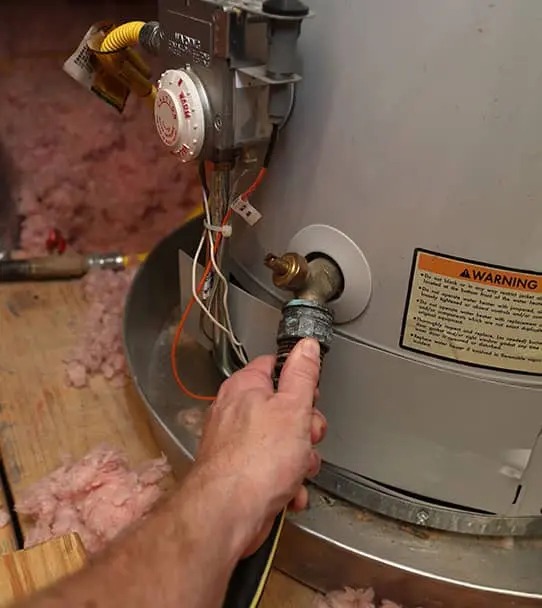

Water Heater Services
plumbing parts background
Water heater services in East Los Angeles
wiggles
Plumbing, Sewer, and Rooter Services Available 24/7

Water Heater Installation, Repair, and Replacement in East Los Angeles, CA

Stay Warm with Reliable Hot Water Solutions

Hot water availability fundamentally affects daily life quality—from morning showers preparing people for work to evening dishwashing completing household routines. When East Los Angeles property owners face water heater failures, they confront disruption extending beyond inconvenience to genuine hardship, particularly for families with young children, elderly residents with specific hygiene needs, and businesses depending on hot water for operations. Understanding water heater technology, recognizing when systems require repair versus replacement, and selecting appropriate new units when necessary enables property owners to make informed decisions about this essential equipment.

Rooter & Plumbing Masters provides comprehensive water heater services throughout East LA including emergency repairs, complete replacements, new installations, and preventive maintenance. Our licensed technicians bring nearly 20 years of experience working with all water heater types—from traditional tank models to modern tankless systems—in East LA’s diverse residential and commercial properties.

Get Our Services

Interested in an estimate?

Whether you are looking for someone to help you upgrade your water heater, repair your pipes, or unclog your drains, we have everything you need to get the job done. Give our East Los Angeles plumbers a call at (888) 855-6680 today to get started. Se habla español.

Get A Free Estimate
red checkered flag background
Plumbing Tips

Common Water Heater Problems and Repairs

Understanding typical problems helps property owners recognize service needs:

No Hot Water

Complete hot water loss indicates specific failures depending on heater type. Gas water heaters lose hot water from pilot light failures, thermocouple problems, gas valve failures, or gas supply interruptions. Electric water heaters fail from tripped breakers, blown fuses, failed heating elements, or thermostat problems. Tankless units fail from ignition problems, flame sensor issues, or flow sensor failures.

Insufficient Hot Water

Inadequate hot water volume or temperature suggests different problems. Sediment accumulation in tank heaters reduces effective capacity. Failed heating elements in electric tanks or inefficient burners in gas tanks reduce heating capability. Undersized heaters cannot meet household demand. Incorrect thermostat settings provide inadequate temperature. Dip tube failures in tanks allow cold water mixing with hot water at the tank outlet.

Water Temperature Fluctuations

Inconsistent water temperature indicates thermostat problems, sediment buildup affecting heat transfer, failing heating elements in electric units, or burner problems in gas units. In tankless heaters, temperature fluctuation often relates to flow rate variations or mineral buildup in heat exchangers.

Unusual Noises

Popping, rumbling, or knocking sounds typically indicate sediment accumulation on tank bottoms or heating elements. As water beneath sediment boils, it creates noise percolating through sediment layers. These sounds signal maintenance needs and reduced efficiency.

Leaking Water Heaters

Water heater leaks create serious problems threatening property damage. Tank corrosion creates leaks requiring complete replacement since tank failures cannot be repaired. Temperature and pressure relief valve leaks indicate excessive pressure or temperature requiring adjustment or valve replacement. Supply line connection leaks need tightening or component replacement. Drain valve leaks require valve replacement.

Discolored or Foul-Smelling Water

Rusty water indicates tank corrosion or deteriorating anode rods requiring replacement. Sulfur or rotten egg odors result from bacteria in water reacting with anode rods, requiring disinfection and potentially anode replacement with aluminum-zinc alloys resisting bacterial growth.

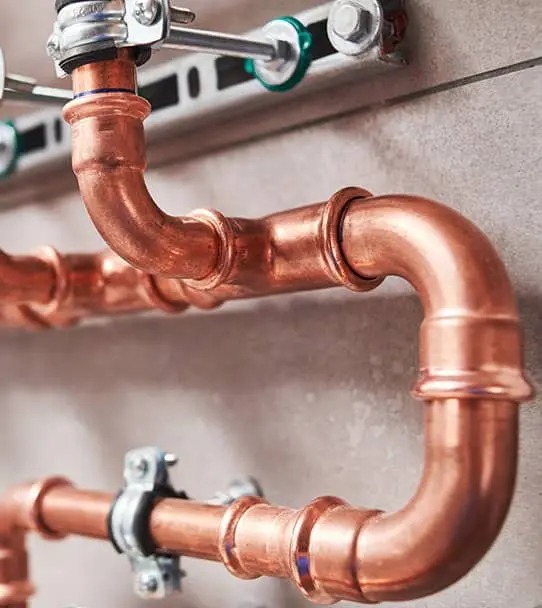
plumbing services
wiggles
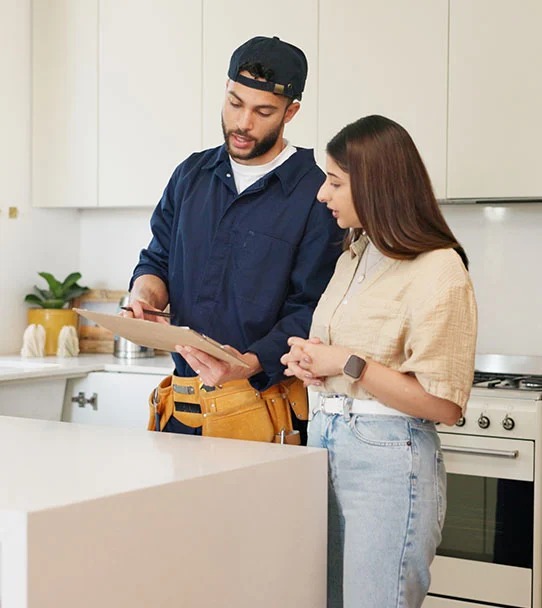
plumbing contractor speaking with customer
wiggles
Experienced Professionals

Water Heater Repair Services

We address all repairable water heater problems:

Gas Water Heater Repairs

Gas heater repairs include pilot light and thermocouple replacement, gas valve testing and replacement, burner cleaning and adjustment, venting system inspection and repair, and temperature control repairs. We work safely with gas systems ensuring proper combustion and venting.

Electric Water Heater Repairs

Electric heater service includes heating element testing and replacement, thermostat repair and replacement, electrical connection inspection, circuit breaker evaluation, and high-limit switch replacement. We verify proper electrical supply and safe operation.

Tankless Water Heater Repairs

Tankless repairs include descaling mineral buildup from heat exchangers, ignition system repairs, flame sensor cleaning and replacement, flow sensor repairs, and error code diagnosis. These systems require specialized knowledge we possess.

Component Replacement

Common component replacements include temperature and pressure relief valves, drain valves, anode rods, dip tubes, and thermostat replacement. Regular anode rod replacement extends tank life significantly.

System Flushing and Maintenance

Regular maintenance including tank flushing removes sediment, improving efficiency and extending life. We provide comprehensive maintenance service.

Additional Information

Types of Water Heaters and How They Work

Understanding different water heater technologies helps property owners make informed choices:

Traditional Tank Water Heaters

Tank water heaters store heated water in insulated tanks ranging typically from 30 to 80 gallons for residential use. Gas models use burners heating water from below while electric models use heating elements immersed in water. These systems maintain water at set temperatures through thermostat control, providing readily available hot water but experiencing standby heat loss as stored water gradually cools.

Tank heaters represent proven, affordable technology with widespread service availability. However, they provide limited hot water volume before requiring recovery time to reheat, consume energy maintaining temperature even when not in use, and occupy significant floor space. Typical service life ranges 8-12 years with proper maintenance.

Tankless Water Heaters

Tankless or on-demand water heaters heat water only when needed, eliminating storage. When hot water taps open, cold water flows through heat exchangers where gas burners or electric elements rapidly heat water to desired temperature. These systems provide unlimited hot water since they heat continuously rather than depleting stored reserves.

Tankless heaters offer significant advantages including endless hot water supply, substantial energy savings from eliminating standby losses, compact wall-mounted installation, and longer 15-20 year service life. However, they cost more initially, require adequate gas supply or electrical service for high heating demands, and may struggle providing simultaneous hot water to multiple fixtures in larger properties without multiple units.

Heat Pump Water Heaters

These systems use electricity to move heat from surrounding air into water rather than generating heat directly. They function like refrigerators in reverse, extracting ambient heat and concentrating it in water. Heat pump heaters prove extremely efficient in appropriate climates, using far less energy than traditional electric resistance heating.

These units work best in warm spaces with excess heat, making them suitable for some California applications. However, they cost significantly more than traditional heaters, work less efficiently in cold spaces, and require specific installation locations with adequate air circulation.

Hybrid Water Heaters

Hybrid systems combine heat pump technology with traditional electric resistance heating, using heat pumps for normal operation while employing resistance elements when demand exceeds heat pump capacity or ambient temperature becomes too cold for efficient heat pump operation. These units balance efficiency with performance reliability.

Water Heater Replacement Considerations

Selecting appropriate water heaters requires considering multiple factors:

Capacity Determination

Proper sizing ensures adequate hot water without oversizing wasting energy. Tank sizing depends on household size, hot water usage patterns, and recovery rate requirements. Tankless sizing depends on maximum simultaneous flow rate and temperature rise needed.

Fuel Type Selection

Gas heaters typically cost less to operate than electric in most areas but require gas availability and proper venting. Electric heaters suit homes without gas service and provide easy installation. Energy costs significantly impact operating expenses.

Efficiency Ratings

Energy Factor (EF) or Unified Energy Factor (UEF) ratings indicate efficiency. Higher ratings mean greater efficiency and lower operating costs. Investing in efficient models reduces lifetime costs despite higher purchase prices.

Installation Requirements

Proper installation includes adequate venting for combustion appliances, appropriate electrical supply, proper pressure and temperature relief valve installation, seismic anchoring in earthquake zones, and code-compliant clearances and safety features.

New Water Heater Installation

Determining when replacement surpasses repair value requires evaluating multiple factors:

Age and Condition

Water heaters approaching or exceeding typical service life (8-12 years for tanks, 15-20 for tankless) warrant replacement consideration even when still functioning. Failed tank water heaters over 10 years old typically warrant replacement rather than repair given limited remaining service life.

Repair Cost Versus Replacement Cost

When repair costs exceed 50% of replacement cost, particularly for older units, replacement provides better value. Multiple repairs within short periods indicate declining reliability warranting replacement.

Efficiency Improvements

Modern water heaters offer significant efficiency improvements over older models. Energy savings from efficient new heaters often justify replacement even when old units remain functional.

Capacity Needs

Households outgrowing water heater capacity benefit from larger replacements or tankless systems providing unlimited supply. Conversely, downsizing households may benefit from smaller, more efficient units.

Technology Upgrades

Upgrading from tank to tankless or hybrid systems provides long-term benefits including energy savings, unlimited hot water, and space savings despite higher initial costs.

Commercial Water Heater Services

Commercial properties have specialized needs:

High-Capacity Systems

Commercial buildings require larger capacity often necessitating multiple water heaters or commercial-grade large-capacity units. We design systems meeting commercial demands.

Rapid Recovery Requirements

Businesses needing continuous hot water require high-recovery heaters or tankless systems preventing interruptions.

Compliance Requirements

Commercial installations must meet specific codes including commercial venting requirements, backflow prevention, and safety features.

Water Heater Service FAQs

How long does installation take?
Standard tank replacement typically requires 3-4 hours. Tankless installation takes 4-8 hours or longer depending on gas line or electrical upgrades needed.

Should I choose tank or tankless?
This depends on your priorities. Tank heaters cost less initially and suit most applications. Tankless heaters provide unlimited hot water and energy savings but cost more initially. We evaluate your specific situation recommending appropriate options.

How often should I flush my water heater?
Annual flushing removes sediment extending life and maintaining efficiency. Properties with hard water may benefit from more frequent service.

What size water heater do I need?
Sizing depends on household size and usage. We evaluate your specific requirements recommending properly sized units.

Do I need permits?
Water heater replacement requires permits from Los Angeles County. We handle all permitting ensuring code-compliant installation.

How long do water heaters last?
Tank heaters typically last 8-12 years. Tankless units last 15-20 years. Proper maintenance extends service life.

Serving East Los Angeles Properties

We provide water heater services throughout East LA including residential properties in Belvedere Gardens, Belvedere Heights, and City Terrace, commercial businesses along Whittier Boulevard, Atlantic Boulevard, and Eastern Avenue, and multi-family properties throughout the community.

Our service extends to surrounding areas including Monterey Park, Montebello, Boyle Heights, Commerce, and throughout Los Angeles County.

Schedule Water Heater Service in Whittier Today

Don’t let water heater problems disrupt your East Los Angeles property. Contact Rooter & Plumbing Masters for professional water heater service that keeps hot water flowing reliably.

Call (888) 855-6680 now or request a free estimate for water heater repair, replacement, and installation in East Los Angeles, CA. All types and brands. Licensed and insured. Nearly 20 years serving East LA. Se habla español.