



Expert Pipe Repair Services in Los Feliz, CA
Fast, Reliable Solutions for Leaks, Breaks & Corrosion
Your pipes are the backbone of your entire plumbing system—when they fail, everything else suffers. At Rooter & Plumbing Masters, we provide expert pipe repair services in Los Feliz to stop leaks, fix broken lines, and restore proper water flow to your home or business.
With nearly two decades of experience serving Los Angeles, our licensed technicians understand the unique challenges of Los Feliz’s historic homes and modern properties. From pinhole leaks in copper pipes to major breaks in aging galvanized steel lines, we provide 24/7 emergency service and comprehensive repair solutions tailored to your property’s specific needs.
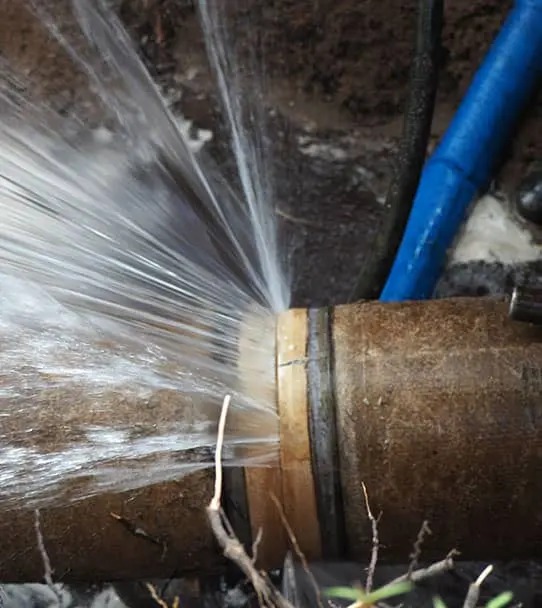
Whether you’re dealing with a minor leak under the sink or a catastrophic pipe burst flooding your home, we respond quickly with the expertise and equipment necessary to minimize damage and provide lasting repairs.
Interested in an estimate?
Whether you are looking for someone to help you upgrade your water heater, repair your pipes, or unclog your drains, we have everything you need to get the job done. Give our Los Feliz plumbers a call at (888) 855-6680 today to get started. Se habla español.

Warning Signs You May Need Pipe Repair
Recognizing pipe problems early can prevent major damage and expensive repairs:
Water Pressure Issues
Low Water Pressure: If your water pressure has gradually decreased or certain fixtures have noticeably less pressure than others, you likely have pipe problems. Causes include mineral buildup narrowing pipe interiors (common with galvanized steel), partial blockages, or leaks reducing pressure.
Inconsistent Pressure: Pressure that fluctuates or drops when multiple fixtures run simultaneously can indicate undersized pipes, partial blockages, or leaks.
Visible Water Damage
Stains on Walls or Ceilings: Yellow, brown, or copper-colored stains indicate water leaking from pipes behind walls or above ceilings. Even small stains can signal significant hidden damage.
Warped or Damaged Floors: Buckling hardwood, loose tiles, or soft spots in floors suggest water leaking from pipes beneath.
Peeling Paint or Wallpaper: Moisture from leaking pipes causes paint to bubble and wallpaper to peel, particularly near pipe runs.
Water Bill Increases
An unexplained spike in your water bill often indicates a hidden leak. The average Los Feliz household uses 80-100 gallons per person per day. If your usage increases by 15% or more without explanation, you likely have a leak that requires immediate investigation.
Water Quality Changes
Discolored Water: Rusty or brown water indicates corroding pipes, typically galvanized steel or old copper. Yellow or greenish water can indicate copper corrosion or brass valve deterioration.
Metallic Taste or Odor: Water that tastes or smells metallic suggests pipe corrosion releasing metals into your water supply.
Sediment in Water: Visible particles or grit in water indicate pipe interior deterioration or mineral buildup breaking loose.
Sounds and Smells
Water Running When Fixtures Are Off: Hearing water running through pipes when all fixtures are closed indicates an active leak somewhere in your system.
Banging or Rattling Pipes: While water hammer (loud banging when fixtures close) can result from pressure issues, it can also indicate loose pipes or failing mounting brackets that can stress connections and cause leaks.
Musty or Moldy Odors: Persistent damp smells suggest hidden water leaks creating conditions for mold growth, a serious health hazard.
Visible Pipe Damage
Corrosion: Rust, discoloration, or flaking on exposed pipes indicates deterioration that will eventually cause leaks or failure.
Wet Spots or Drips: Visible moisture on pipes, fittings, or nearby surfaces requires immediate attention.
Stains Around Fixtures: Discoloration at pipe connections under sinks or behind toilets indicates leaking joints.

Common Pipe Repair Scenarios in Los Feliz
Pinhole Leaks in Copper Pipes
Pinhole leaks are tiny holes that develop in copper pipe walls, often appearing in clusters. These frustrating problems can result from water chemistry, particularly water with low pH or high oxygen content. Los Angeles water quality varies by area, and some neighborhoods experience more pinhole leaks than others.
Signs include small drips from pipes, water stains developing on walls or ceilings, or visible moisture on copper pipes. Left unaddressed, pinhole leaks worsen over time, with additional holes developing nearby.
We can repair individual pinhole leaks by patching or replacing small pipe sections. However, if you’re experiencing multiple pinhole leaks, this often indicates a systemic problem that may require repiping affected sections or entire systems. We’ll help you determine the most cost-effective approach based on your specific situation.
Galvanized Pipe Failure
Galvanized steel pipes in older Los Feliz homes eventually fail due to internal corrosion. The process is gradual but inevitable. You’ll first notice reduced water pressure as corrosion narrows pipe interiors. Water may develop a rusty color, particularly when you first turn on faucets after pipes have sat idle.
As deterioration progresses, leaks develop, often at joints or where pipes change direction. At this stage, spot repairs provide only temporary relief—the entire system is compromised and will continue failing.
For homes with failing galvanized pipes, we typically recommend complete repiping. While this is a significant investment, it’s ultimately more cost-effective than endless repairs and protects your property from water damage. Modern materials like PEX or copper will last decades and provide better water quality and pressure.
Frozen Pipe Damage
While Los Feliz rarely experiences freezing temperatures, it can happen during unusual cold snaps. Pipes in unheated areas like attics, crawlspaces, or exterior walls are most vulnerable.
When water freezes inside pipes, it expands, potentially cracking the pipe. The damage may not be immediately apparent—pipes often crack but don’t leak until the ice melts. This is why we sometimes see flood damage several hours or days after temperatures warm.
If you suspect frozen pipes, shut off your main water valve before attempting to thaw them. Never use open flames to thaw pipes—use hair dryers, heat lamps, or space heaters at a safe distance. If pipes have frozen, call us for inspection before turning water back on, as hidden cracks may have developed.
Preventing frozen pipes involves insulating vulnerable pipes, sealing air leaks near pipe runs, allowing faucets to drip during freezing weather, and maintaining heat in areas containing plumbing.
Earthquake Damage
Los Feliz’s seismic risk means earthquake damage occasionally affects plumbing systems. Ground movement can stress pipe connections, particularly at rigid joints, causing them to crack or separate.
After earthquakes, inspect your property for water leaks, unexplained wet spots, or water running when fixtures are off. Check under sinks, around water heaters, and in basements or crawlspaces. If you smell gas or suspect gas leaks, evacuate immediately and call 911 and your gas company.
We provide post-earthquake plumbing inspections to identify damage and make necessary repairs. For Los Feliz homeowners concerned about earthquake preparedness, we also install flexible pipe connections that better accommodate seismic movement.
Slab Leaks
Slab leaks occur in pipes embedded within or beneath your concrete foundation. These are particularly problematic because they’re difficult to access and can cause significant structural damage before detection.
Signs of slab leaks include warm or cold spots on floors, unexplained water bill increases, decreased water pressure, sounds of running water through the slab, cracks in walls or floors, and excessive moisture or mold.
We use electronic leak detection equipment and pressure testing to pinpoint slab leak locations without breaking unnecessary concrete. Repair options include accessing the pipe through the slab, rerouting pipes above ground, or using epoxy pipe lining to repair leaks from inside the pipe without excavation.
Tree Root Intrusion in Sewer Lines
Los Feliz’s beautiful landscaping can threaten underground sewer lines. Tree roots naturally seek water sources and can penetrate tiny cracks or joints in sewer pipes, gradually enlarging openings and creating major blockages or breaks.
Signs include frequent drain clogs, sewage backups, gurgling sounds from drains, or sewage odors in your yard. Video camera inspection definitively identifies root intrusion.
We offer several solutions: mechanical root cutting to remove roots from pipes (temporary solution requiring periodic maintenance), chemical root treatments to kill roots and prevent regrowth, pipe repair or replacement for damaged sections, and trenchless pipe lining to create a seamless interior that prevents future root intrusion.
Common Pipe Materials in Los Feliz Homes
Understanding what your pipes are made of helps identify potential problems and appropriate repair methods:
Galvanized Steel Pipes
Many Los Feliz homes built before 1960 contain galvanized steel pipes. These pipes were once the standard for residential plumbing but have significant drawbacks. The zinc coating that protects the steel gradually corrodes, exposing the underlying metal to rust. Over time, this corrosion narrows the pipe interior, restricting water flow and causing low pressure.
Galvanized pipes typically last 40-70 years, meaning most Los Feliz homes with original galvanized plumbing are approaching or have exceeded their lifespan. Warning signs include rusty or discolored water, frequent leaks, low water pressure, and visible corrosion on exposed pipes.
When galvanized pipes fail, repair is often impractical. The corrosion affects the entire system, so fixing one leak typically means another will develop nearby. For Los Feliz homes with failing galvanized pipes, we usually recommend complete repiping to modern materials.
Copper Pipes
Copper became the standard residential plumbing material from the 1960s through the 1990s and remains popular today. Copper pipes are durable, resistant to bacteria growth, and can last 50+ years under normal conditions.
However, copper pipes can develop problems. Pinhole leaks—tiny holes that develop in the pipe wall—are surprisingly common in copper plumbing. These can result from water chemistry, improper installation, or internal corrosion. Los Angeles’s hard water can accelerate this process.
Copper is also vulnerable to freeze damage (rare but possible during Los Feliz’s occasional cold snaps) and can be affected by electrolysis when in contact with dissimilar metals. Joints are the weakest points in copper systems, where soldered connections can fail due to improper installation or stress over time.
Most copper pipe problems can be repaired effectively. We can patch pinhole leaks, replace damaged sections, or re-solder failing joints. For extensive damage or pipes nearing the end of their lifespan, repiping may be more cost-effective than repeated repairs.
PEX (Cross-Linked Polyethylene)
PEX has become increasingly popular for both new construction and repiping projects since the 1990s. This flexible plastic tubing offers numerous advantages: it resists corrosion and scale buildup, can flex slightly to accommodate minor foundation movement, is resistant to freeze damage, and is typically less expensive to install than copper.
PEX systems use fewer joints than rigid pipe systems, reducing potential leak points. The material is also quieter than metal pipes, eliminating the hammering sounds sometimes heard with copper or steel.
While PEX is generally reliable, it can develop problems. Rodents can chew through PEX (a concern in Los Feliz’s hillside homes), and UV light exposure degrades the material (though this is only a concern for exposed outdoor pipes). Some older PEX fittings have been subject to recalls due to zinc leaching issues.
PEX repairs are typically straightforward, involving cutting out damaged sections and installing new pipe with compression or expansion fittings.
CPVC (Chlorinated Polyvinyl Chloride)
Some Los Feliz homes built or repiped in the 1980s and 1990s contain CPVC pipes. This rigid plastic piping was popular for a period but has fallen out of favor due to reliability concerns.
CPVC becomes brittle over time, especially in hot water applications. The pipes can crack from stress, impact, or even from the force of water hammer. The joints, glued with solvent cement, can fail if the pipes were not properly prepared during installation.
We can repair CPVC pipes, but extensive problems often warrant replacement with more reliable materials like PEX or copper.
Cast Iron and Clay (Sewer Lines)
Many older Los Feliz homes have cast iron drain lines and clay sewer pipes. Cast iron was standard for drain, waste, and vent systems until the 1970s and can last 50-100 years. However, it eventually corrodes from the inside out, developing rough surfaces that catch debris and create clogs, or failing completely with cracks and breaks.
Clay sewer pipes, common in pre-1970s homes, are vulnerable to tree root intrusion and can break due to ground movement. These pipes typically require trenchless repair methods or complete replacement.
Our Comprehensive Pipe Repair Process
When you call Rooter & Plumbing Masters for pipe repair in Los Feliz, here’s what you can expect:
Emergency Response
For burst pipes, major leaks, or other plumbing emergencies, we provide 24/7 emergency service. Our Los Angeles-based technicians can respond quickly to minimize water damage and restore your plumbing system. Upon arrival, we immediately assess the situation, shut off water if necessary, and implement temporary measures to prevent further damage.
Thorough Inspection and Diagnosis
We don’t just repair the obvious problem—we investigate the underlying cause and assess your entire plumbing system to identify related issues or potential future problems.
Video Camera Inspection: For hidden leaks or problems within walls, under slabs, or underground, we use specialized video cameras that we insert into pipes to visually inspect their interior condition. This non-invasive technology allows us to pinpoint exact problem locations without unnecessary demolition.
Pressure Testing: We can isolate sections of your plumbing system and use pressure tests to verify leak locations and assess overall system integrity.
Visual Inspection: Our technicians examine all accessible pipes, joints, and connections for signs of corrosion, damage, or imminent failure.
Water Quality Testing: In cases of discolored or contaminated water, we can test water quality to determine if pipe corrosion is affecting your water supply.
Clear Communication and Options
Before beginning repair work, we explain the problem in understandable terms, discuss your repair options, and provide transparent, upfront pricing. We never start work without your approval, and we never surprise you with hidden fees.
For complex problems, we present multiple solutions with the pros and cons of each approach. For example, if you have a leak in aging galvanized pipes, we’ll explain whether a spot repair makes sense or if repiping would be more cost-effective long-term.
Expert Repair
Our licensed, insured technicians perform repairs using quality materials and proven techniques:
Pipe Patching: For small leaks or pinhole corrosion in otherwise sound pipes, we can apply epoxy patches, compression clamps, or other repair methods that provide temporary or permanent solutions depending on pipe condition.
Section Replacement: When damage is localized to a specific pipe section, we cut out the damaged area and install new pipe. This approach works well for copper, PEX, and CPVC pipes.
Joint Repair: Leaking joints can often be fixed by re-soldering copper connections, replacing compression fittings, or installing new expansion fittings on PEX systems.
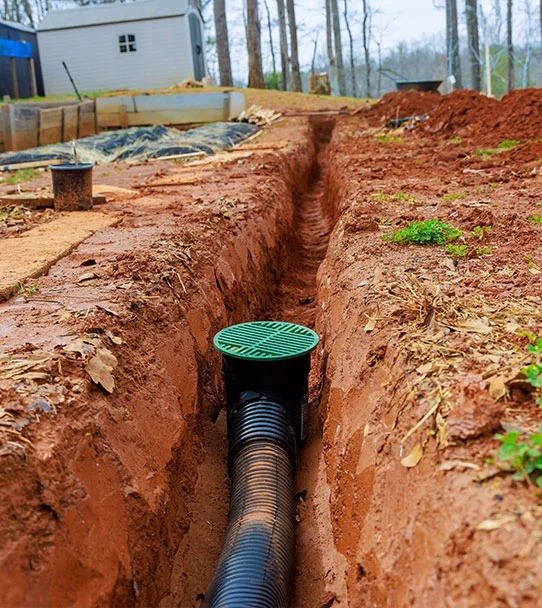
Trenchless Pipe Repair: For sewer lines and other underground pipes, we offer trenchless repair methods including pipe lining (creating a new pipe inside the old one) and pipe bursting (breaking the old pipe while simultaneously pulling new pipe through). These methods minimize excavation and landscape disruption.
Complete Repiping: When pipes are extensively damaged or nearing the end of their lifespan, we provide complete or partial repiping services, replacing old pipes with modern materials like copper or PEX.
Cleanup and Restoration
We respect your Los Feliz property and minimize disruption during repairs. After completing work, we clean up thoroughly, removing debris and leaving your property in better condition than we found it. If repairs required accessing walls or ceilings, we can coordinate with restoration professionals or provide recommendations for finishing work.
Testing and Verification
Before considering the job complete, we test all repairs thoroughly. We pressure-test systems to ensure repairs are leak-free, verify proper water flow and pressure, and check that fixtures operate correctly.
Prevention Recommendations
We provide advice on preventing future pipe problems, including maintenance recommendations, water treatment suggestions if hard water is accelerating pipe deterioration, and guidance on protecting pipes from freezing during cold weather.
Pipe Repair vs. Pipe Replacement: Making the Right Choice
Deciding between repairing existing pipes and replacing them depends on several factors:
When Repair Makes Sense
Isolated Problems: If damage is limited to one or two locations in an otherwise sound system, spot repairs are cost-effective and appropriate.
Newer Pipes: Pipes less than 20-30 years old with minor damage can typically be repaired successfully, extending their lifespan.
Financial Constraints: If budget limitations prevent complete repiping, strategic repairs can provide a temporary solution while you plan for eventual replacement.
Minor Leaks: Small leaks that are easily accessible and repairable without major demolition are good candidates for repair.
When Replacement Is Better
Multiple Leaks: If you’re experiencing frequent leaks in different locations, the entire system is likely deteriorating and will continue failing. Repiping becomes more cost-effective than endless repairs.
Aging Systems: Galvanized pipes over 50 years old, copper pipes showing extensive pinhole leaking, or any pipes approaching the end of their expected lifespan should be replaced proactively.
Extensive Corrosion: When pipes show widespread corrosion, internal buildup, or deterioration, repair is only a temporary band-aid.
Water Quality Issues: If corroding pipes are affecting your water quality with rust, metallic taste, or sediment, replacement is the only permanent solution.
Low Water Pressure: When mineral buildup or corrosion has significantly reduced pipe interior diameter throughout your system, repiping restores proper pressure.
Property Value: If you’re preparing to sell your Los Feliz home, replacing aging pipes prevents issues during home inspections and adds value to your property.
We’ll help you make this decision with honest assessment and transparent cost comparison between repair and replacement options.
Professional Pipe Repair & Maintenance Services in Los Feliz
For full-system care and performance, pair pipe repair with
Schedule Pipe Repair in Los Feliz Today
Don’t let a leaking or broken pipe lead to structural damage, high bills, or health risks. Let our experienced plumbing team provide the fast, professional solution you need.
Call (888) 855-6680 now or request a free estimate for expert pipe repair in Los Feliz. 24/7 emergency response. Se habla español.