
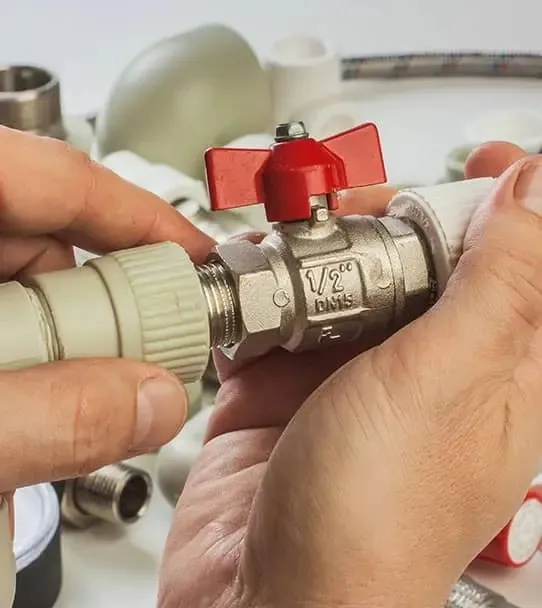
Plumbing, Sewer, and Rooter Services Available 24/7
Emergency Shutoff Valve Installation & Service in Covina, CA
Critical Safety Protection for Water and Gas Systems
Seconds matter when plumbing failures strike. A burst pipe flooding your home. A gas leak threatening fire. An earthquake rupturing supply lines. In these critical moments, accessible functional shutoff valves determine whether you face manageable inconvenience or catastrophic property damage. Yet many Covina properties—particularly homes built during the city’s mid-century development boom—lack adequate shutoff protection. Corroded valves fail when needed most. Inaccessible locations prevent rapid response. Missing fixture shutoffs force entire system shutdown for simple repairs.
Rooter & Plumbing Masters provides comprehensive emergency shutoff valve installation and service throughout Covina, equipping properties with critical control systems that protect against water damage, gas hazards, and seismic risks. Nearly 20 years serving this San Gabriel Valley community has taught us the specific challenges facing Covina properties from historic downtown buildings along Citrus Avenue to modern developments throughout the city’s seven square miles.
Get Our Services
Protect Your Covina Property with Professional Shutoff Valves
Don’t wait for emergencies to discover your shutoff valves don’t work. Call our Covina plumbers at (888) 855-6680 today to get started. Se habla español.
Plumbing Tips
Understanding Critical Shutoff Valve Functions in Covina
Water Damage Prevention and Control
Burst pipes release tremendous water volumes—a single 1/2-inch pipe breach floods properties with over 200 gallons hourly. Without rapid shutoff capability, minor leaks escalate into major water damage destroying flooring, saturating walls, ruining possessions, and creating mold growth conditions. Functional accessible shutoffs enable immediate damage control, dramatically reducing total property loss during plumbing failures.
Seismic Fire Safety Protection
Southern California’s seismic activity creates serious gas leak fire risks. Major earthquakes rupture gas lines, and fires from broken gas systems have devastated entire neighborhoods during significant seismic events. Automatic earthquake gas shutoff valves detect ground motion and close automatically, preventing fires even when properties sit unoccupied during earthquakes. Given Covina’s location in seismically-active Southern California, this protection proves essential.
Repair and Maintenance Enablement
Performing any plumbing repair requires water shutoff. Properties with comprehensive fixture-level shutoffs enable targeted repairs affecting only necessary fixtures while maintaining service throughout remainder of properties. Homes lacking individual fixture shutoffs must close main valves for any repair—even replacing simple faucet washers—disrupting entire household water service unnecessarily.
Insurance Requirements and Premium Benefits
Some property insurance policies mandate earthquake gas shutoff valve installation in seismically-active regions. Compliance ensures coverage validity during claims. Additionally, many insurers provide premium discounts for properties equipped with automatic shutoff safety systems, recognizing their significant damage prevention value.
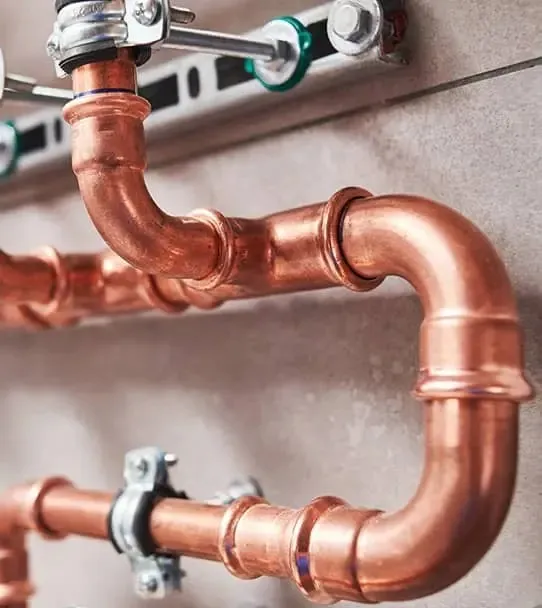

Experienced Professionals
Essential Shutoff Valve Types for Covina Properties
Main Water System Shutoff Valves
Every property requires main water shutoffs controlling complete building water supply from street connections. These critical valves enable total system shutdown during major pipe bursts, significant leaks, extended property absences, or when performing substantial plumbing work. Many older Covina properties contain corroded gate valves installed decades ago—these often stick from disuse, require excessive force operating them, or have become completely inaccessible behind renovations or landscaping.
Individual Fixture Control Valves
Modern comprehensive plumbing includes dedicated shutoff valves for each fixture—toilets, sinks, water heaters, washing machines, dishwashers, and other water-using appliances. These angle stops or straight stops permit isolating specific fixtures without affecting broader property water service. Homes throughout Covina built during rapid post-war development often lack complete fixture shutoffs, necessitating main valve closure for any repair regardless of scope.
Seismic Gas Shutoff Protection
Natural gas systems demand shutoff capability stopping flow during leaks or earthquakes. Standard manual gas shutoffs require someone present operating them during emergencies—impossible when earthquakes strike during work hours or travel. Automatic earthquake gas shutoff valves sense seismic ground motion and close automatically without human intervention, preventing fires from ruptured gas lines even when buildings remain unoccupied.
Smart Automated Water Control Systems
Contemporary technology offers sophisticated water shutoff systems providing continuous flow monitoring, automatic leak detection, remote control via smartphone applications, detailed water consumption analytics, and integration with home automation platforms. These systems protect properties during owner absences while detecting small leaks before they escalate into major damage situations.
Additional Information
Professional Shutoff Valve Installation in Covina
Comprehensive Property Assessment
Service begins with thorough evaluation examining current shutoff valve configurations, identifying missing or inadequate valves, assessing existing valve accessibility and functionality, determining compliance with contemporary building codes, and evaluating seismic protection adequacy for Covina’s earthquake risk level.
Strategic Valve Placement Planning
Based on assessment findings, we develop installation plans specifying main shutoff locations providing emergency accessibility, fixture-level valve requirements ensuring targeted repair capability, earthquake gas shutoff positioning meeting safety standards, and smart system integration when desired—all considering property-specific construction, usage patterns, and budget parameters.
Code-Compliant Expert Installation
Our California-licensed technicians install shutoff valves meeting all requirements through proper sizing for flow demands, correct orientation and mounting, secure structural support, leak-free connections tested thoroughly, complete operational verification, and coordination with required building department inspections ensuring code compliance.
Owner Training and Documentation
Installations conclude with comprehensive location identification showing all shutoff positions, operational demonstrations for each valve type, clear labeling identifying valve functions, emergency usage instructions, and complete documentation for property records.
Shutoff Valve Maintenance and Testing in Covina
Regular Operational Testing
Shutoff valves sitting unused for extended periods stick from corrosion or mineral accumulation. We recommend testing main water shutoffs annually by partially closing and reopening them—this maintains valve operability while identifying developing problems before emergencies occur. Commercial properties should implement quarterly testing protocols.
Strategic Replacement Schedules
Shutoff valves have finite service lives. Gate valves typically warrant replacement after 20-30 years. Modern ball valves last longer but eventually require replacement. Corroded, stuck, or leaking valves need immediate replacement regardless of age ensuring emergency functionality when needed.
Earthquake Valve Inspection Programs
Automatic earthquake gas shutoff valves should receive professional inspection every 3-5 years confirming proper function. Some systems require resetting after minor earthquakes triggering activation. Regular professional inspection verifies these critical safety devices will perform during major seismic events.
Common Covina Shutoff Valve Problems
Corroded and Seized Valves
Decades without operation cause valves to stick from corrosion or mineral deposits. Forcing stuck valves breaks operating handles or damages internal components. Professional service can often free stuck valves through proper techniques, or will replace them when damage prevents reliable operation. Many Covina homes contain original valves installed 50-70 years ago requiring replacement.
Inaccessible Valve Locations
Shutoffs buried beneath landscaping, hidden behind finished walls, located in cramped crawl spaces, or positioned in difficult locations create problems during emergencies when rapid access proves essential. We relocate shutoffs to accessible positions or install additional valves providing convenient emergency control.
Inadequate Fixture Coverage
Properties lacking comprehensive fixture shutoffs force main water closure for any repair. Adding individual fixture valves enables targeted work without whole-property service disruption. This proves particularly important for multi-family properties and commercial buildings where shutting entire systems affects numerous occupants.
Leaking Valve Bodies
Shutoff valves themselves develop leaks from worn packing, corroded bodies, damaged seats, or failed connections. Leaking valves require replacement restoring reliable operation and preventing ongoing water damage.
Covina-Specific Shutoff Valve Considerations
Historic Downtown Property Challenges
Buildings along Citrus Avenue and throughout Covina’s preserved downtown often contain original plumbing infrastructure including vintage shutoff valves. Upgrading these systems requires respecting architectural character while providing modern safety protection. We work sensitively in historic structures understanding preservation requirements.
Seismic Protection Priority
Covina’s location in seismically-active Southern California makes earthquake gas shutoff valves particularly important. The city sits near the Whittier Fault and experiences ground motion from regional seismic activity. Automatic shutoff protection proves especially valuable for properties left unoccupied during work hours.
Mid-Century Housing Infrastructure
Substantial portions of Covina’s housing stock were built during the 1950s and 1960s. These properties often contain original plumbing including shutoff valves now 60-70 years old. Proactive valve replacement prevents failures when emergencies strike.
Serving Covina Properties Throughout the City
We provide emergency shutoff valve installation and service throughout Covina’s seven square miles including downtown historic district along Citrus Avenue, residential neighborhoods citywide, Covina Plaza Shopping Center vicinity, properties near Covina City Hall and civic buildings, locations near the Covina Center for the Performing Arts, and commercial corridors along San Bernardino Road. Service extends to West Covina, Glendora, Azusa, Baldwin Park, and throughout the San Gabriel Valley.
Emergency Shutoff Valve FAQs
Where should main water shutoff valves be located?
Main shutoffs typically sit near where water service enters properties from street connections—often in garages, utility rooms, basements, or along front property lines near water meters. If you cannot locate yours, we’ll help find it and ensure accessibility and operability.
Are earthquake gas shutoff valves required in Covina?
While not universally mandated, earthquake gas shutoff valves provide critical fire protection in seismically-active Southern California. Some insurance policies require them. We strongly recommend them for most Covina properties given local seismic risks.
Can property owners install shutoff valves themselves?
While experienced homeowners can install some fixture shutoffs, main water shutoffs and all gas shutoffs warrant professional installation ensuring code compliance, proper sizing, leak-free connections, and reliable operation. Improperly installed gas shutoffs create serious safety hazards.
How frequently should shutoff valves be tested?
Test main water shutoffs annually by partially closing and reopening them maintaining operability. Test fixture shutoffs during related maintenance. Have earthquake gas shutoff valves professionally inspected every 3-5 years.
Do shutoff valve installations require permits?
Main water shutoff replacement typically requires building permits. Gas shutoff installation always requires permits and inspections. We handle all permitting and inspection coordination ensuring code compliance.
What advantages do ball valves offer over gate valves?
Ball valves provide quarter-turn operation (90 degrees fully open to fully closed), require minimal maintenance, offer reliable shutoff, and resist sticking. Gate valves require multiple turns operating but provide full flow when open. We recommend ball valves for most residential applications due to emergency operation ease.
Will smart shutoff systems function during power outages?
Most smart water shutoff systems include battery backup maintaining functionality during power outages. However, specific capabilities vary by manufacturer and model. We explain power requirements and backup options when recommending smart systems.
Related Services
Pair With These Related Services for Complete Protection
Our emergency shutoff valve services often go hand-in-hand with these essential plumbing solutions:
- Commercial Plumbing
- Drain Cleaning
- Drain Installation & Replacement
- Drain Repair
- Emergency Plumbing Services
- Gas Lines
- Hydro Jetting
- Leak Detection & Repair
- Pipe Repair
- Piping & Repiping
- Plumbing Maintenance
- Plumbing Repair
- Sewer Camera Inspection
- Showers and Bathtubs
- Sinks
- Water Heaters
get In Touch
Professional Shutoff Valve Services in Covina
Protect your Covina property with properly installed, accessible, functional emergency shutoff valves providing critical control when you need it most.
Call (888) 855-6680 now or request a free estimate for emergency shutoff valve installation in Covina, CA. 24/7 service. Smart solutions. Se habla español.