
Leak Detection & Repair — Open 24/7
Montebello Leak Detection Service
Water coming through the ceiling, a wet spot on a wall or floor, water under the house, a bill that jumped for no reason. Call, and a plumber comes out to find it: listening equipment first, tracer gas if it is hard to pin down, so the repair is the small one rather than the exploratory one.
- 24/7 emergency service
- Free estimates
- Same-day availability
- Priced before work starts
- Financing available
- Se habla español
Josh and Oscar came on a short notice over the weekend to resolve an emergency at my dental office. Josh did a great job communicating professionally and Oscar even rushed over after church to get the job done on Sunday. The job itself was challenging, but it was resolved without any issues. I will be sure to call RPM next time.
An absolutely positive experience. They were rapid in their response and assessment, communicated thoroughly and pleasantly, and remained quick and affordable. Very recommended!
Request a free estimate in Montebello
No charge for the estimate, and we price the job before any work starts. Prefer to talk? Call (888) 855-6680 — someone answers 24/7.
- Serving
- Montebello, CA and the San Gabriel Valley
- Hours
- Open 24 hours a day, 7 days a week
- Dispatched from
- 1601 Paramount Blvd., Montebello, CA 90640
- License
- Licensed, bonded and insured — CSLB #1004038
- Estimates
- Free, with the price agreed before any work starts
- Languages
- English and Spanish
- Financing
- Available through Hearth for larger repairs and replacements
- Emergencies
- Nights, weekends and holidays on the same number
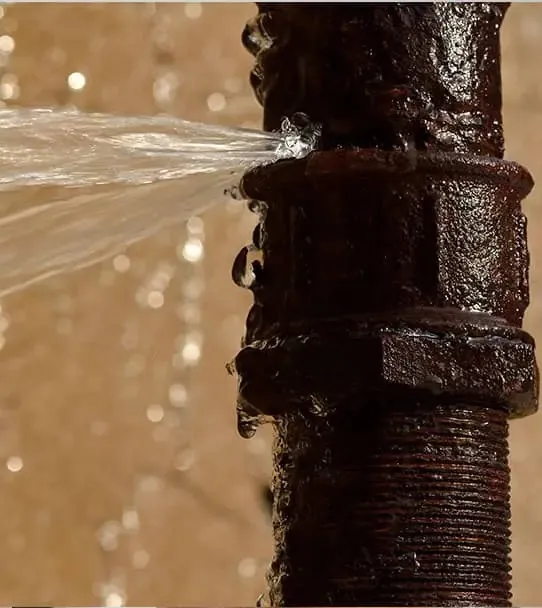
Water Leak Repair in Montebello, CA
Water coming through the ceiling. A wet patch on a wall, or a floor that is damp with nothing spilled. A soggy spot in the yard, water under the house, or a water bill that jumped for no reason. You do not need to know what it is called; call Rooter & Plumbing Masters in Montebello and a plumber comes out to look. Left alone, a leak means a higher bill, water damage, and a bigger job later, which is what keeps a small fix from becoming plumbing repair on a wall that has already been opened.
Most of the plumbing is hidden underground or behind walls, so where the water shows up is rarely where it is coming from. At Rooter & Plumbing Masters we find the leak first, with electronic leak detection (listening equipment that picks up water escaping under pressure) and, when a leak is hard to pin down, tracer gas, and only then open anything up. The estimate is free, and you have the price before the repair starts.
Plumbing Tips
Signs You May Have a Leak in Your Plumbing
A water leak can occur for a variety of reasons, including a burst pipe, a worn out water heater, or improper installation. Regardless of the cause, leaks can cause serious damage to your home or commercial property plumbing.
A few ways to tell if you're dealing with a water leak include:
- Paying attention to your bill: If you're using the same amount of water each month but your water bill keeps rising, it's probably due to leakage.
- Checking the meter: Today, most meters accurately measure your water usage and can even account for unexplained water loss by way of a leak indicator. While the symbol may vary from company to company, if the leak indicator is moving, you may have a leak.
- Looking for damp spots and puddles: Finding a wet spot under the sink or puddle around the toilet are giveaways that something is wrong.
- Noticing additional signs of water intrusion: This includes mold or mildew growth, warped wood floors, water stains on walls and ceilings, and musty smells.
- Listening for running water where it shouldn't be: If you notice that you are constantly turning off a water source but it keeps turning back on, you may have a leak.
Even if you observe the signs that indicate a water leak, that doesn't always mean you can find it or easily fix it. When this happens, it's best to call in a professional. We recommend starting with a sewer camera inspection to accurately diagnose the issue. The sooner you call Rooter & Plumbing Masters, the faster you can get this issue under control.
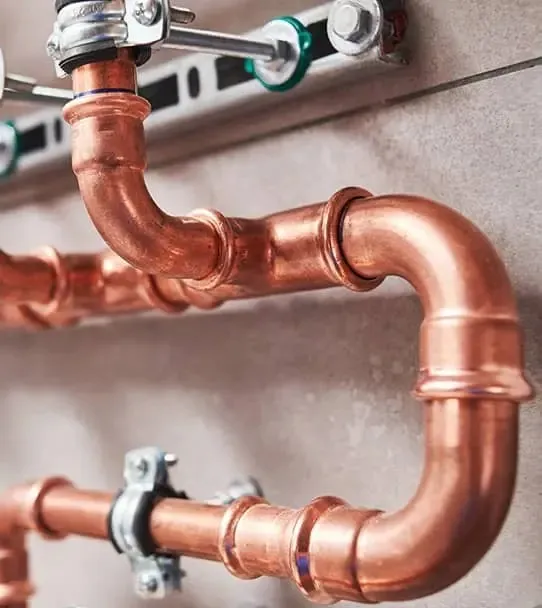
Slab Leaks
Signs of a Slab Leak
The most common signs of a slab leak are a water bill that rises with no change in use, a water meter that keeps moving with every fixture turned off, and a warm spot on the floor. The leaking line is buried in or under the concrete, so what you notice is the effect, not the water.
Other signs worth a call:
- The sound of running water: when nothing in the house is on.
- Damp flooring, lifted tile or a musty smell: moisture working its way up through the slab.
- Lower water pressure: water escaping before it reaches the fixtures.
- New cracks in the floor: soil under the slab shifting as it gets wet.
Any one of these is worth checking; two together usually mean the leak is real. If water is coming up through the floor, shut off the main and treat it as an emergency. We answer 24 hours a day, and for emergency calls we usually arrive within the hour.
How a Slab Leak Is Detected
A slab leak under a concrete foundation is found with electronic leak detection: acoustic listening equipment that hears water escaping under pressure through the concrete and narrows the leak down to one spot before anything is opened. When a leak is hard to pin down that way, tracer gas goes into the isolated line and a detector finds where it comes out. The first check is one you can do yourself: turn off every fixture and appliance that uses water, then look at the meter. If it is still moving, water is going somewhere.
From there, locating the leak is our job. Guessing where a slab leak is means breaking concrete in the wrong place, so we pinpoint it first and decide on the repair based on where the leak actually is and what condition the rest of the line is in. That keeps the repair to one opening instead of several.
Do Plumbers Have to Break Up Floors to Find a Slab Leak?
No, not to find it. A slab leak is located from above the floor before anything is opened: the detection equipment picks up water escaping under pressure through the concrete and narrows it to one spot, so the floor is opened once, at the leak, for the repair. Opening the floor to search for a leak is the costly way round, for the reason given above: every hole made on a guess is another patch of floor to put back, and the leak may not be under any of them.
What Affects the Cost of a Slab Leak Repair
The cost of a slab leak repair depends mostly on which repair the leak calls for (a spot repair through the slab, a reroute around it, or a repipe) and on how hard the leak is to reach. No two slab leaks are the same job, which is why we do not quote one over the phone: a technician sees it, gives you a free estimate, and the price is agreed with you before any work starts.
The repair is one of three things, and we explain which before quoting:
- Reroute, our usual recommendation: leave the leaking run under the slab and run a new line through the walls or overhead. We would rather reroute than open the floor: nothing is broken up, the old run is abandoned in place, and the new line is where it can be reached next time.
- Spot repair: open the slab at the leak, repair that section of pipe and close it up. Right for a single failure on an otherwise sound line where a reroute does not make sense.
- Repipe: replace the supply lines when the pipe is failing in more than one place. A second slab leak on the same line is usually the sign. See piping and repiping.
After a spot repair through the slab, we close the opening with a rough concrete patch. Putting the tile, wood or carpet back over it is a flooring job and is not part of the plumbing repair, which is one more reason a reroute is usually the better choice.
Beyond the type of repair, the scope is shaped by how deep the leak sits, what flooring is above it, the condition of the rest of the line, and any permit the city requires. Financing is available through Hearth for the larger of these jobs. To get a free estimate, call (888) 855-6680 or request one online.
Does Homeowners Insurance Cover a Slab Leak in California?
It depends on your policy, and insurers often treat the parts of a slab leak differently. Many California homeowners policies pay for water damage from a sudden leak and for opening and restoring the floor to reach the pipe, while the repair of the pipe itself, and damage from a slow leak that ran for a long time, are often excluded. Whether finding the leak is covered varies by policy.
Before the floor is opened:
- Stop the water: if it is coming up through the floor, shut off the main.
- Photograph the damage: the floor, the walls and anything else the water reached, before it is cleaned up.
- Call your insurer first: before anything beyond stopping the leak, and ask what they need from you before the repair starts. Our part is finding and fixing the leak; the claim itself is between you and your insurer.
For the part of the job a policy does not pay for, financing through Hearth is available.

Experienced Professionals
Protect Your Property with Our Leak Detection Services
Water leaks can cause significant damage to your home and property if left undetected and unresolved. Our Montebello leak detection services utilize cutting-edge technology to quickly and accurately identify any leaks in your plumbing system, even those hidden behind walls or underground. For comprehensive solutions, we can recommend hydro jetting to clear any blockages that could be causing pressure leaks.
By detecting leaks early on, you can save yourself from expensive repairs and potential water damage. Our skilled technicians will locate the source of the leak and provide efficient and effective solutions to prevent further damage.
The benefits of our leak detection services include:
- Preventing costly water damage
- Preserving the structural integrity of your home
- Saving money on water bills
- Minimizing the risk of mold growth
- Peace of mind knowing your plumbing system is in good condition
Additional Information
How Electronic Leak Detection Works
Leaks are often easier to hear than see. That's where electronic leak detectors come in. The detector is equipped with a device that picks up sounds coming from your pipes. These sounds get converted into an electrical signal, and water leaks make a particular sound that makes it easier to detect and repair them.
By using electronic leak detectors, we are able to more accurately pinpoint the problem and solve your plumbing issues as quickly as possible. When listening alone cannot settle it, for instance on a long run or a very small leak, we use tracer gas: a safe gas goes into the isolated line and a detector picks it up where it escapes.
Reliable Same-Day Leak Repair Services in Montebello
If you're located in the San Gabriel Valley, or any of the surrounding areas, you can count on our Rooter & Plumbing Masters team to take care of your plumbing issue, whether it's a bothersome water leak or a huge clog. We're your Montebello leak detection professionals, and we're here for you 24 hours a day, 7 days a week.
Local Leak Detection Solutions for Montebello Residents
Living in Montebello, you may be familiar with the unique challenges that come with our local climate and infrastructure. With the San Gabriel Valley's fluctuating temperatures and occasional heavy rains, plumbing systems can be put under stress, which can lead to slab leaks. These leaks can go unnoticed, causing significant damage to your home and increasing your water bills. Local water authorities highlight the importance of leak detection to protect our community's resources.
Residents often face hidden leaks that can lead to mold growth, structural damage, and costly repairs. The city's older homes may have aging plumbing systems that are more susceptible to leaks. If you notice unexplained increases in your water bill or damp areas in your home, it's crucial to act quickly. Our team at Rooter & Plumbing Masters understands the urgency of these issues and is equipped to provide fast and effective leak detection services tailored to the needs of Montebello homeowners.
We recognize that navigating plumbing issues can be overwhelming, especially when you're trying to balance work and family life. That's why we offer 24/7 emergency services to ensure that you can get the help you need, when you need it. By utilizing advanced technology for slab leak detection, we can identify and address leaks before they become larger problems, helping you maintain the integrity of your home and your peace of mind.
Helpful Resources
Commonly Asked Questions
What are the most common causes of plumbing leaks?
Common causes of plumbing leaks include aging pipes, burst pipes due to freezing temperatures, faulty water heaters, improper installation, and corrosion. Leaks can also occur from shifting foundations or even natural wear and tear on your plumbing system over time.
How can I prevent leaks in my plumbing system?
Preventing leaks in your plumbing system involves regular plumbing maintenance and vigilance. Also, be mindful of your water usage and monitor your water bill for any sudden increases. Ensure that your plumbing fixtures, such as sinks, and showers and bathtubs, are in good working condition and replace any worn-out components promptly. Finally, consider insulating your pipes, especially in colder months, to prevent freezing and potential bursts.
Common Questions
Leak Detection & Repair FAQs
What are the signs of a slab leak?
A warm spot on the floor, the sound of running water when everything is off, an unexplained jump in the water bill, cracking in flooring, or damp areas along the base of a wall. Slab leaks rarely announce themselves, which is why the bill is often the first clue.
How is a slab leak detected?
With electronic leak detection, and tracer gas when a leak is hard to pin down. Acoustic equipment listens through the concrete for water escaping under pressure and narrows the leak down to one spot; tracer gas put into the isolated line shows where it escapes. A meter that keeps moving with every fixture off is the first sign it is worth checking.
Do you have to break the slab to fix a slab leak?
Usually not. We locate the leak first, then our usual recommendation is a reroute: a new line through the walls or overhead, with the leaking run left under the slab, so no concrete is broken. A spot repair through the slab is done where a reroute does not make sense, and we close that opening with a rough concrete patch; replacing the flooring over it is a separate flooring job. We explain which applies before quoting.
Is a slab leak an emergency?
A slow one is urgent but not an emergency: shut off the main if you can and call during the day. A leak that is actively flooding the floor or has cut off your water is an emergency, and we handle those 24 hours a day. For emergency calls we usually arrive within the hour.
What affects the cost of a slab leak repair?
Mostly which repair the leak calls for (a spot repair through the slab, a reroute around it, or a repipe) and how hard the leak is to reach. How deep it sits, the flooring above it, the condition of the rest of the line and any permit the city requires also shape the job. Estimates are free, the price is agreed before work starts, and financing is available for larger repairs.
Does homeowners insurance cover a slab leak?
It depends on the policy. Many California homeowners policies cover sudden water damage and the cost of opening and restoring the floor to reach the leak, but often exclude repairing the pipe itself and damage from a leak that ran slowly for a long time. Whether locating the leak is covered varies, so ask your insurer before work starts.
How do you find a leak without tearing up the house?
Electronic and acoustic equipment listens for water escaping under pressure, which locates the leak before anything is opened up. That is the point of the process: access is targeted to one spot rather than exploratory.
How can I check for a leak myself?
Turn off every fixture and appliance that uses water, then look at the water meter. If it is still moving, water is going somewhere. It is a reliable first test and worth doing before you call anyone.
What does leak detection and repair cost?
Detection and repair are priced separately because the repair depends on what is found and where. Access matters most: a leak in an accessible wall is a very different job from one under a slab. Estimates are free and we price the work before starting.